Track Mower & Skid Steer Loader Manufacturer

Contact Us
Track Mower & Skid Steer Loader Manufacturer
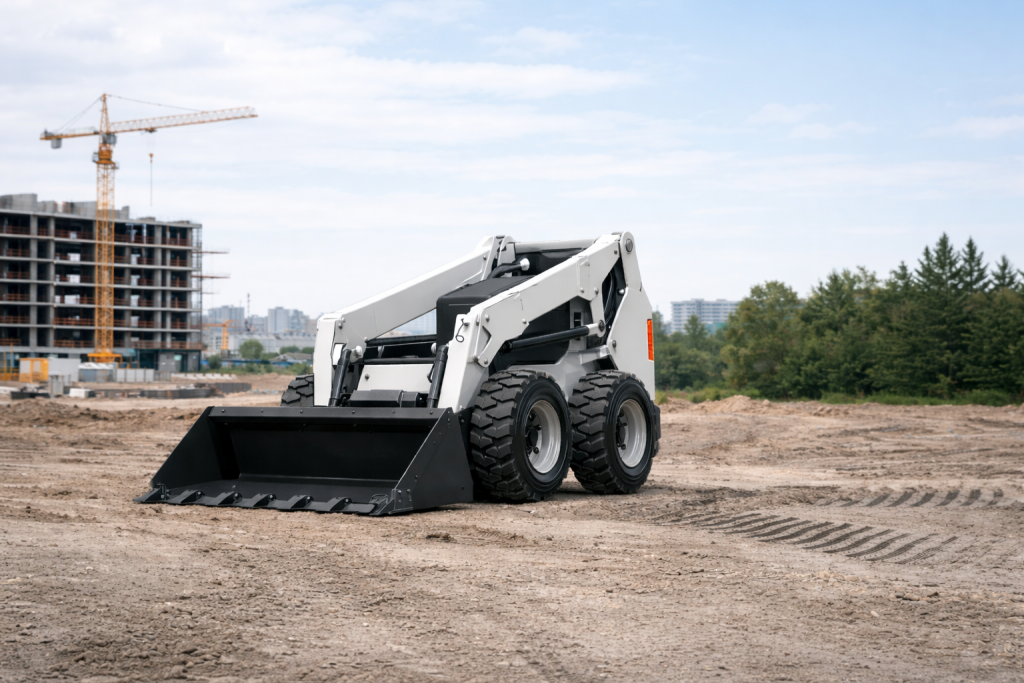
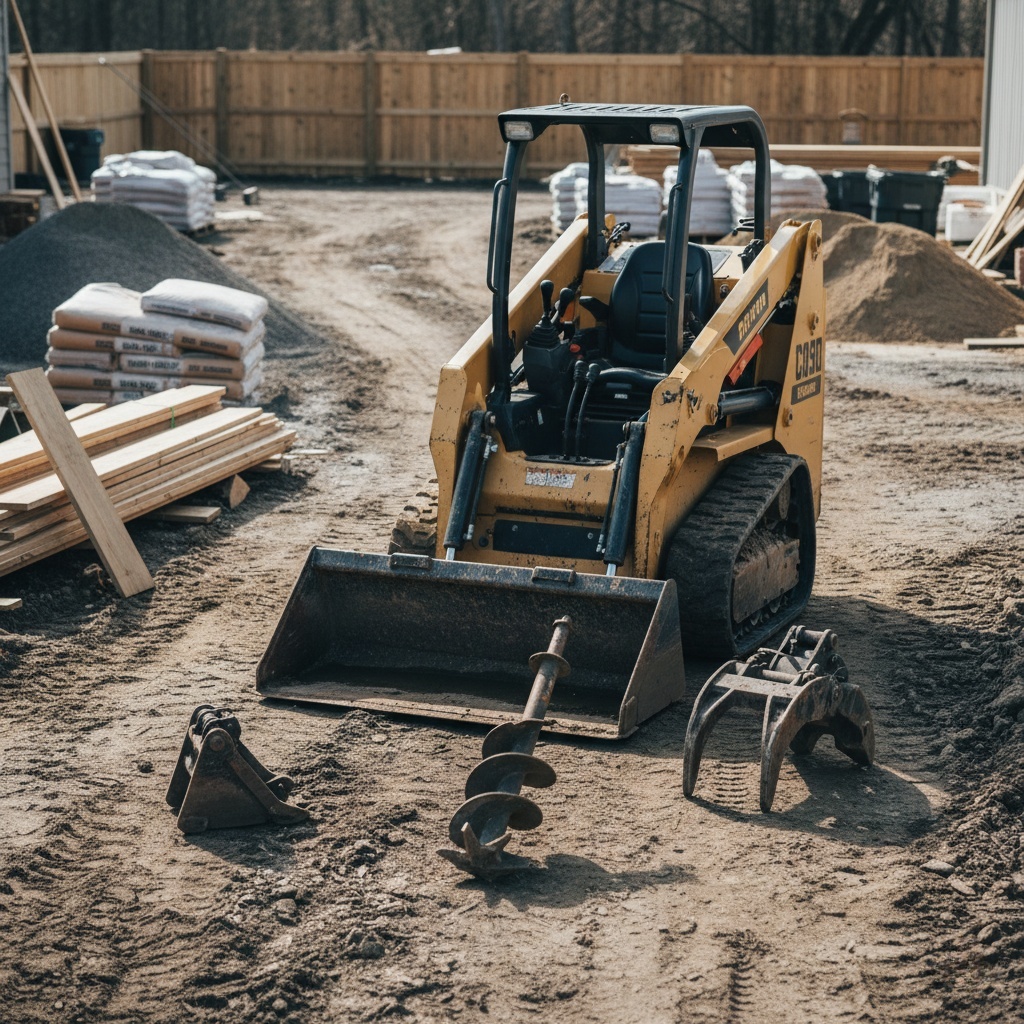
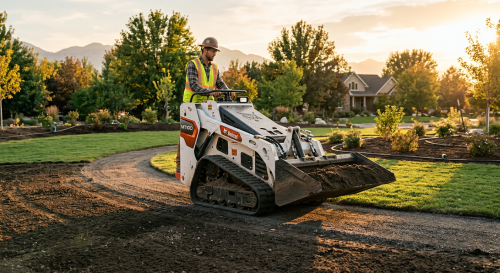
Contractors widely use skid steer loaders across construction, landscaping, agriculture, and property maintenance — for confined sites, a compact tracked skid steer like the PSH100 is one of the smallest options available. In daily operations, crews consistently choose certain skid steer configurations because they perform reliably across common ground conditions and routine work.
This article explains which skid steer types are most popular on jobsites, how those preferences form in practice, and what factors influence equipment selection for regular, long-term use.
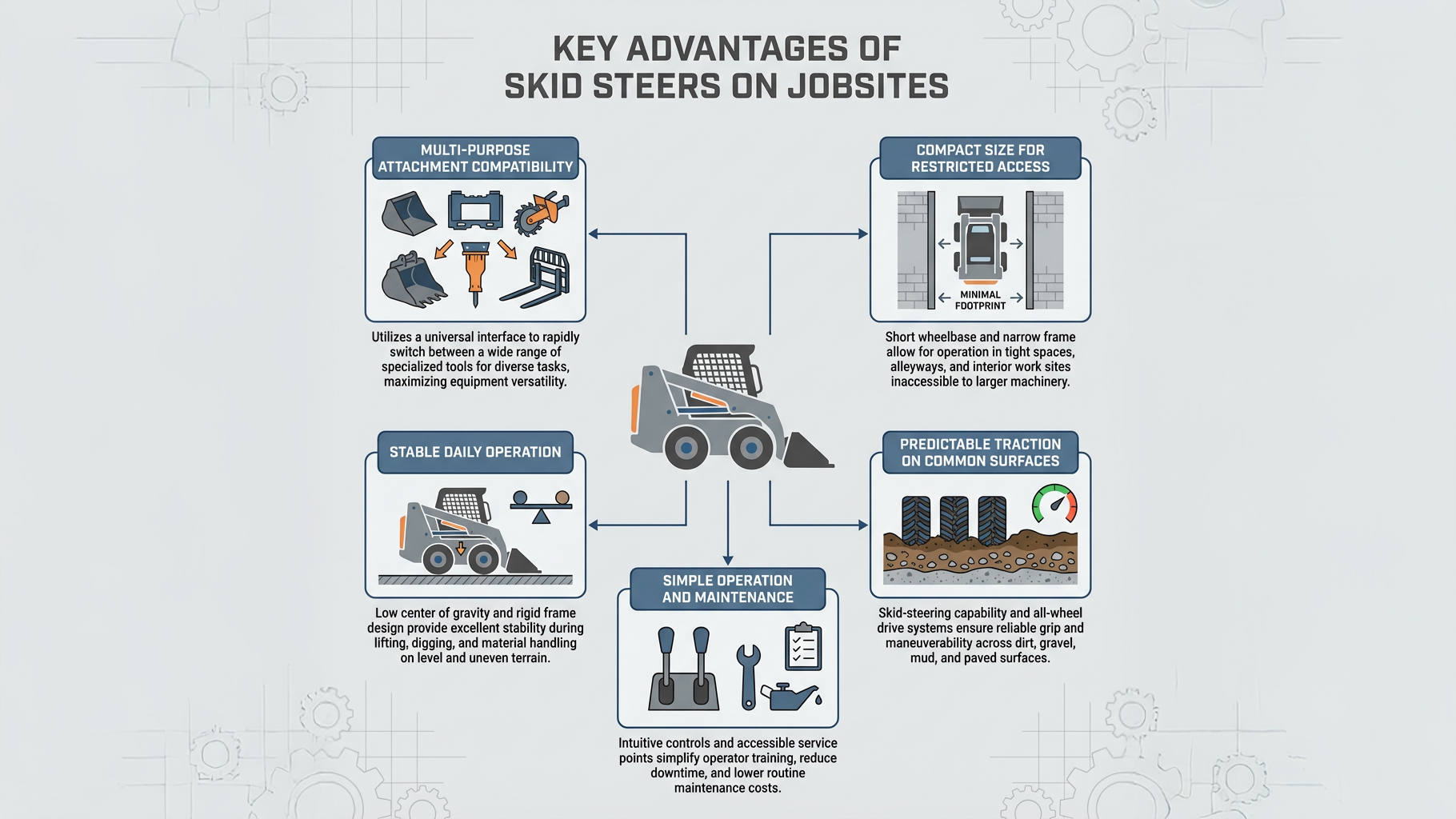
A skid steer becomes popular because it performs reliably across many jobs, not because it has extreme specifications. Machines that see the highest adoption typically share these characteristics:
These traits explain why contractors use compact skid steers across different industries.
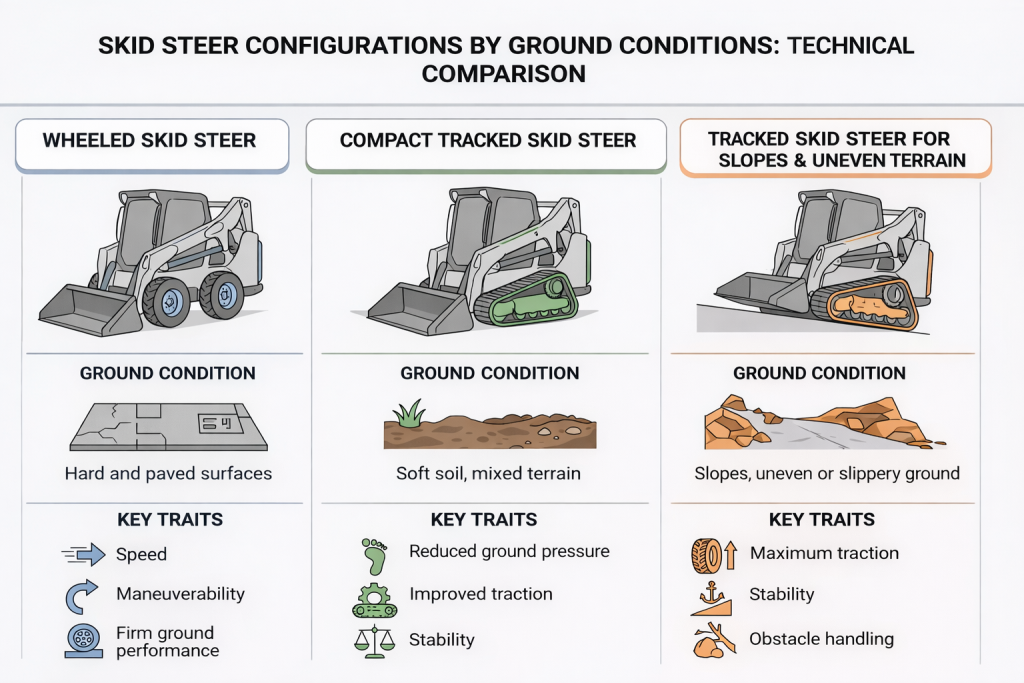
Contractors select skid steer loaders in three main configurations, with each type becoming popular in different working environments.
Wheeled skid steers are popular in environments with stable, hard surfaces. Their design allows quick movement, responsive steering, and efficient operation on concrete or asphalt.
They are commonly used for:
On soft or wet ground, wheeled skid steers provide limited traction, which reduces their suitability in those conditions.
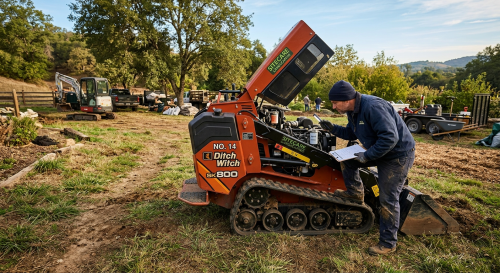
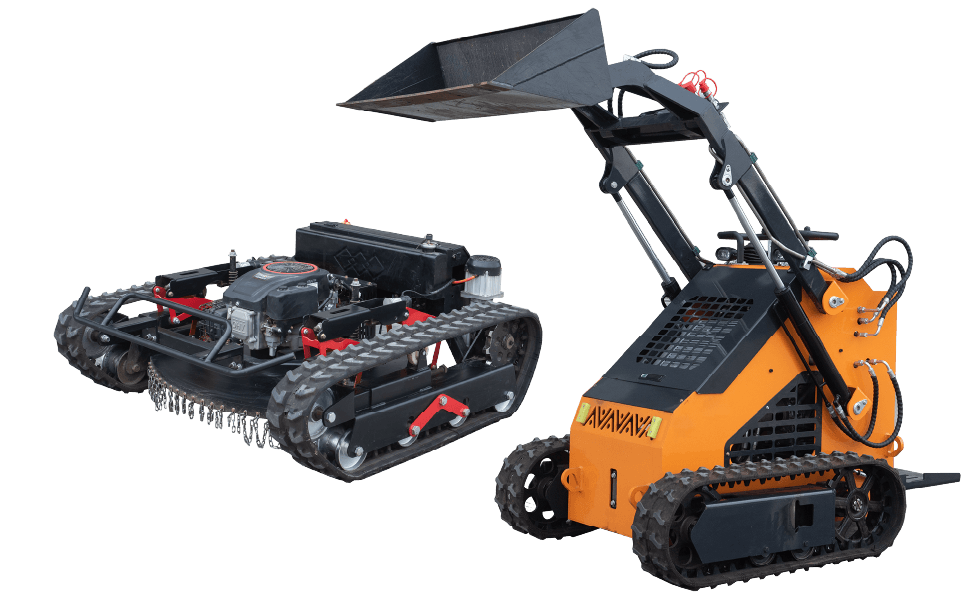
Tracked skid steers are widely adopted where ground conditions change or stability is required. By spreading machine weight over a larger contact area, tracks reduce ground pressure and improve grip.
They are commonly used for:
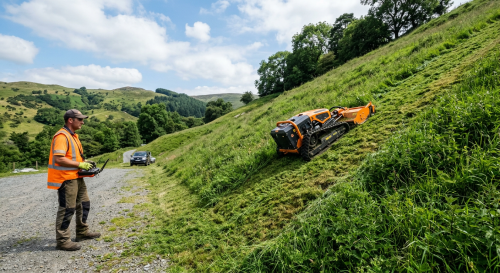
In compact equipment segments, operators increasingly prefer tracked configurations because they deliver predictable performance in difficult conditions — see the track mower category if slope work is your primary use case.
Contractors use compact skid steers more frequently because these machines fit where larger equipment cannot. Narrow machine width and manageable operating weight allow crews to access residential sites, tight corridors, and confined job areas on a daily basis.
Operators tend to use machines that are easy to transport and maneuver more often, which directly influences their popularity.
Contractors widely adopt skid steers because one machine can perform multiple tasks using different attachments. This flexibility reduces the need for specialized equipment.
Common attachment-driven tasks include:
A skid steer that supports commonly used attachments is more likely to become a primary machine on the jobsite.
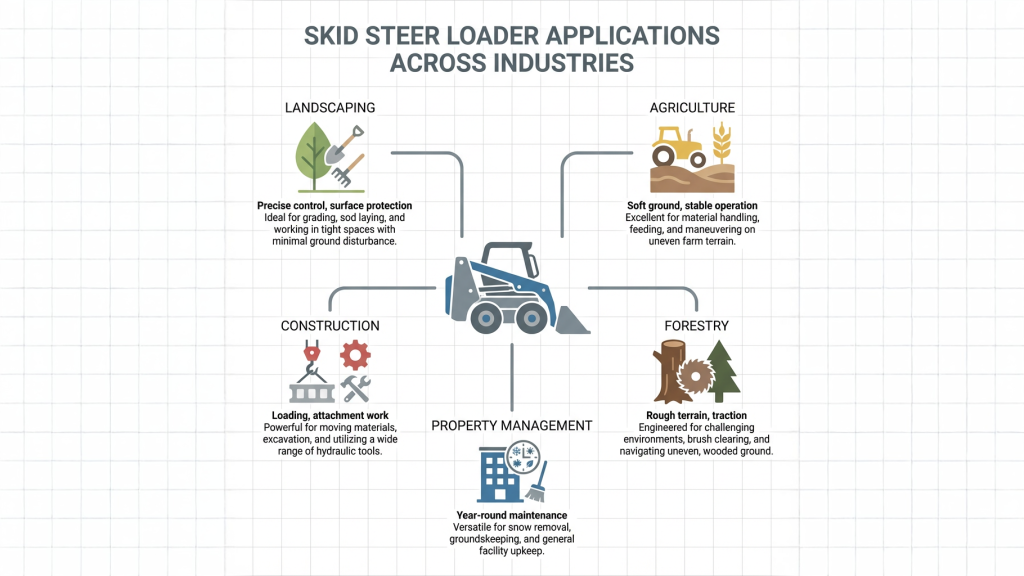
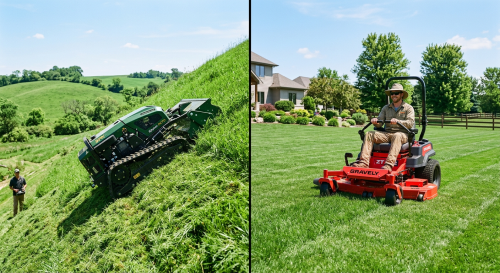
Popularity reflects common use, not specialized requirements. A skid steer that excels in general applications may not be suitable for extreme terrain, steep slopes, or attachment-intensive work.
In regular, long-term operation, factors such as surface conditions, operator experience, and task frequency carry more weight than market preference alone. Even widely used equipment demands proper configuration, training, and jobsite awareness to operate safely and efficiently.
For this reason, contractors should prioritize not only productivity but also jobsite equipment safety requirements for construction and maintenance environments—especially when machines are used daily across changing conditions.
Selecting equipment based on real operating conditions, rather than popularity alone, helps reduce risk, improve consistency, and support sustainable long-term use.
To align with what is most commonly used in the market, buyers typically look for:
These factors define why certain skid steer configurations are widely adopted across industries.
Skid steer loaders remain one of the most commonly used compact machines because they balance size, versatility, and adaptability. Compact, wheeled, and tracked skid steers each become popular in different working environments, depending on surface conditions and task requirements.
Understanding how popularity forms helps buyers choose equipment based on real-world use rather than surface-level comparisons.
 Guides
 Guides
 Guides
 Guides
 Guides
 Guides

Receive a quick, personalized quote and start planning your equipment purchase with ease.