Track Mower & Skid Steer Loader Manufacturer
Mini skid steer attachments for jobsite productivity

Mini Skid Steer Attachments

Mini skid steer attachments built for jobsite productivity—breaking, ripping, sweeping, snow clearing, trench backfilling, and rock handling with fast attachment changes.

Highlights of Our Mini Skid Steer Attachments

  • Built for Compact Jobsite Efficiency

    All attachments are designed specifically for mini skid steer loaders, focusing on compact dimensions, balanced weight, and predictable performance in tight-access job sites.

  • Application-Focused Attachment Lineup

    From breaking and ripping to sweeping, snow clearing, trench backfilling, and rock handling, each attachment is purpose-built to solve a specific jobsite task—without unnecessary complexity.

  • Fast Attachment Change, Minimal Downtime

    Optimized mounting structures allow quick attachment changes, helping operators move between tasks efficiently and reduce idle time on site.

  • Hydraulic Compatibility You Can Trust

    Hydraulic-powered attachments are matched to typical mini skid steer auxiliary flow and pressure ranges, helping avoid common issues such as overheating, power loss, or unstable operation.

  • Durable Construction for Daily Use

    Reinforced structures and wear-prone areas are designed for repeated job cycles, making these attachments suitable for landscaping contractors, property maintenance teams, and light construction work.

  • Jobsite Versatility Without Over-Sizing

    Designed to deliver practical performance without oversized frames or excessive weight, maintaining machine stability while maximizing usable capacity.

  • Simple Selection, Clear Matching

    Clear attachment roles and application guidance make it easy to choose the right tool for the job—whether for demolition, cleanup, snow removal, or ground preparation.

  • Ready for OEM & Project Supply

    Available for OEM branding and bulk project supply, with configurations matched to machine type, application needs, and regional job conditions.


Choose Attachments by Task

  • Breaking & Demolition → Hydraulic Breaker
  • Lawn & Ground Care → Drum Spike Aerator / Ripper
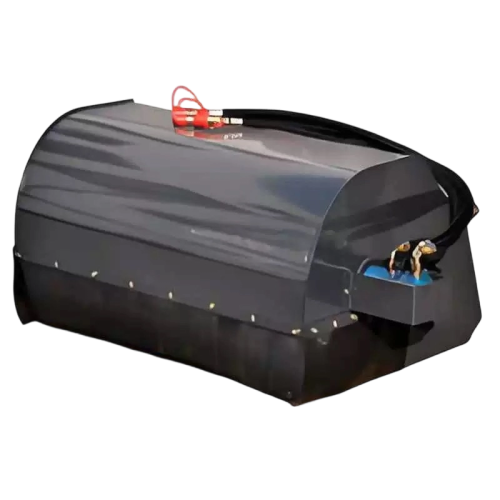
  • Jobsite Cleanup → Sweeper
  • Snow Clearing → Snow Plow / Snow Blower
  • Trench Work → Trench Backfiller

  • Rock Handling → Rock Bucket
the different types of attachments

Mini Skid Steer Attachments FAQ

How do I confirm whether an attachment will fit my mini skid steer?
The fastest way is to confirm your loader brand, model, and mount plate type. If you’re unsure about the mount plate, you can send us a clear photo of the front mounting plate and locking mechanism. We’ll verify compatibility before confirming the attachment.
Do these mini skid steer attachments fit different brands?
Yes. Many mini skid steer attachments are designed to fit multiple brands, but mount plate styles and hydraulic specifications can vary. We recommend checking compatibility by machine model to ensure proper fit, safe operation, and optimal performance.
Which attachments require higher hydraulic flow?
Hydraulic-powered attachments such as the hydraulic breaker and snow blower typically require higher auxiliary hydraulic flow. Attachments like rock buckets, rippers, snow plows, and trench backfillers usually operate without hydraulic power. Always match the attachment's flow requirement to your machine’s capability.
How do I choose the right working width for my attachment?
Working width depends on your machine size, access space, and job type. Narrower widths offer better control in tight areas, while wider attachments improve productivity in open spaces. We can recommend the appropriate width based on your loader model and application.
What information do you need to provide an accurate quote?
To prepare a precise quote, we typically need your mini skid steer model, mount plate type, required attachment, working width (if applicable), and shipping destination. If hydraulic flow is relevant, sharing that information helps ensure correct configuration.
How can I avoid overheating when using hydraulic attachments?
Overheating is usually caused by mismatched hydraulic flow or continuous operation beyond the recommended duty cycle. Ensure the attachment’s flow requirement matches your machine, avoid prolonged idle at high pressure, and follow basic cooling and maintenance guidelines.