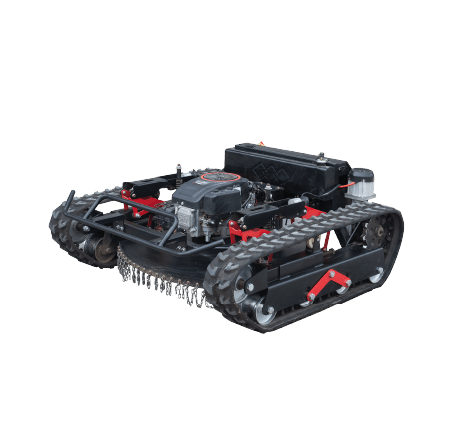
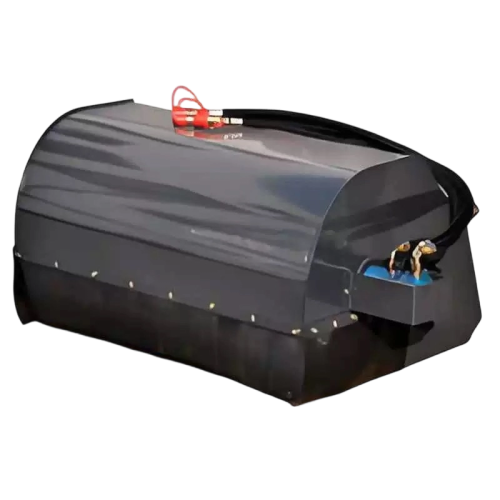
Track Mower & Skid Steer Loader Manufacturer
Track Mower & Skid Steer Loader Manufacturer
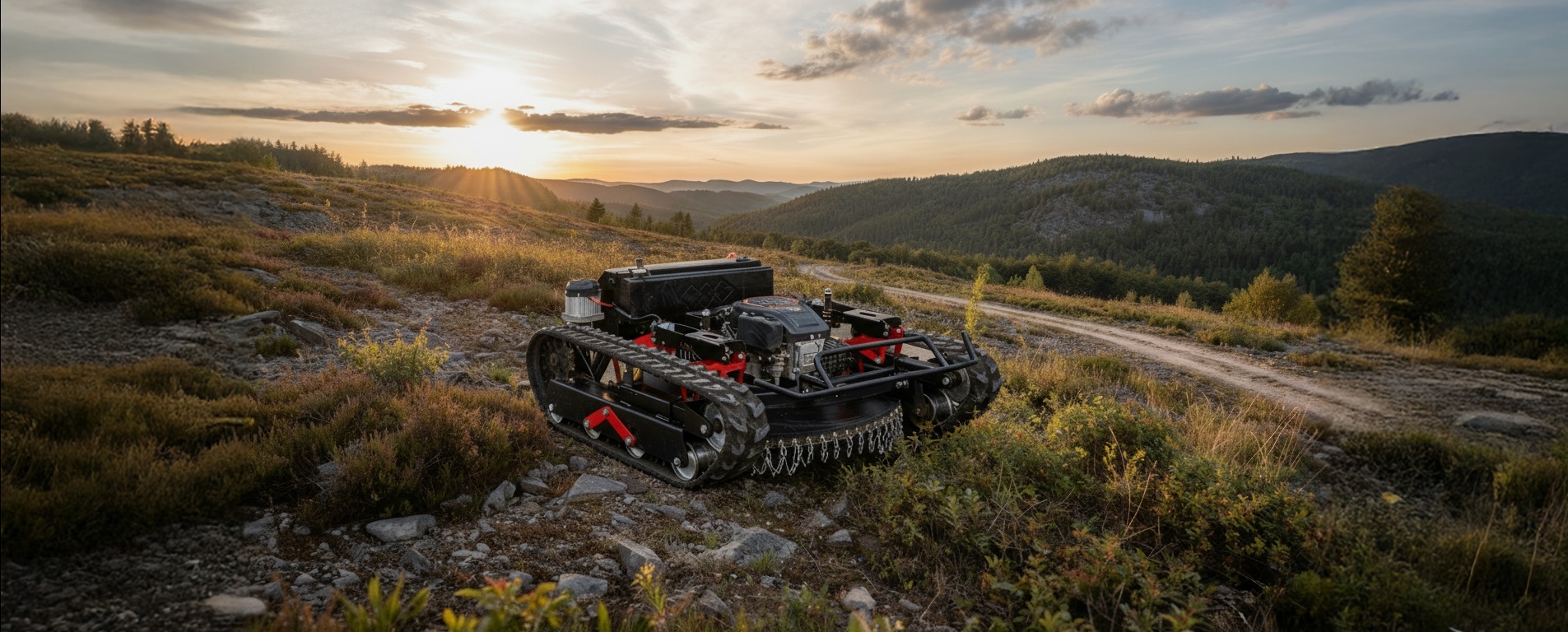
Track mowers handle slopes, orchards, and rough ground where traction and stability are critical. Choose ride-on tracked models for productivity, or remote units for safer steep work.
The Track Mower delivers stable, efficient grass cutting on slopes and uneven terrain. Wide cutting decks and durable rubber tracks ensure smooth operation and consistent results.
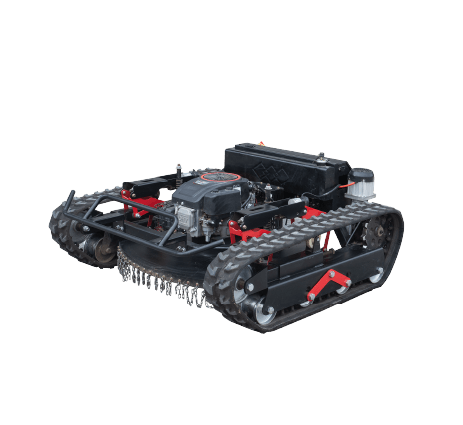
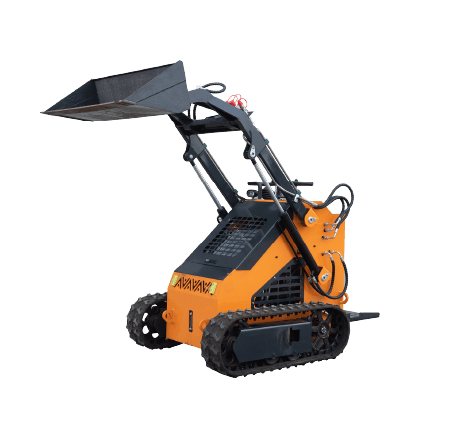
Track mowers are chosen to reduce slip, spinning, and turf damage in challenging terrain—so you can mow safely and consistently on slopes and soft ground.
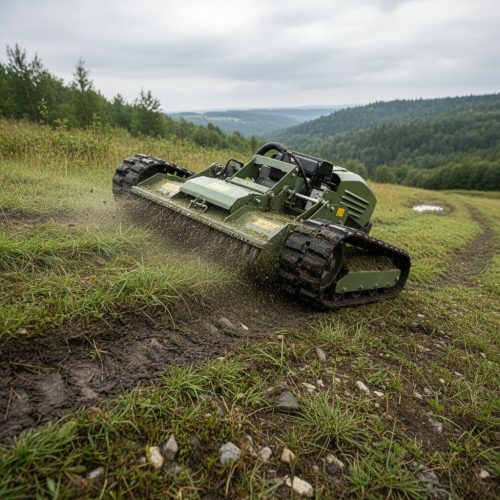
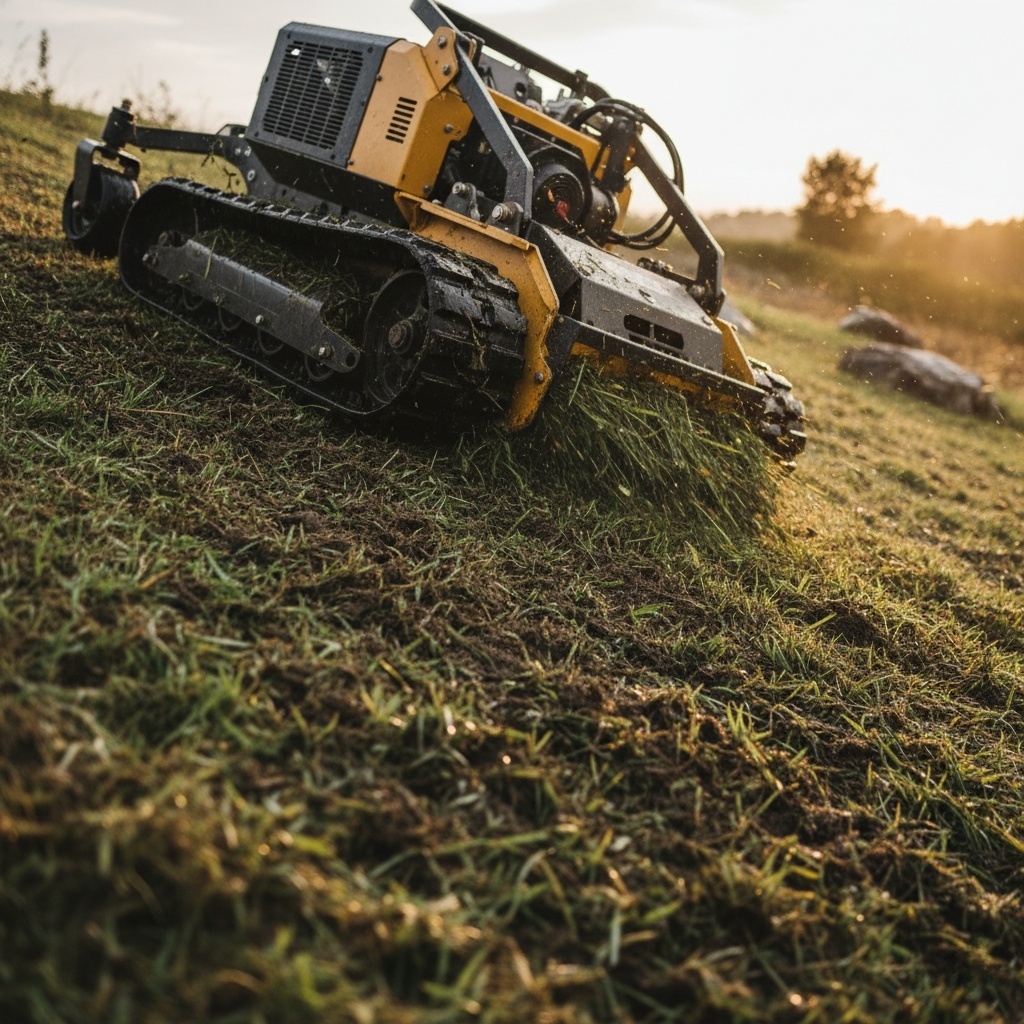
On slopes and uneven ground, stability and safe operation are often more important than speed. Remote control helps you manage difficult mowing zones with better distance and awareness, especially when terrain conditions change during the job (wet grass, loose soil, hidden obstacles).
Below are the specifications that most directly affect field performance for remote-control-only track mowers.

Slope performance depends on machine balance, center of gravity, track contact length, and how the mower behaves during turning and obstacle avoidance. For steep work, prioritize predictable control and stable traction over top speed.

Choose cutting width based on access constraints (orchard rows, narrow paths) and productivity targets. Vegetation type matters—fine turf, tall grass, and mixed weeds can require different deck robustness and blade durability.
Tracks increase contact area to help reduce slipping on soft or uneven ground. If you often mow wet grass or loose soil, track design and undercarriage robustness become key for stability and long-term reliability.
Remote-control usability affects real productivity. Consider control responsiveness, stable signal performance (application-dependent), and safety functions such as emergency stop and protective operating behavior.
For uptime, check how easily operators can access routine service points and common wear parts. Simple maintenance access typically reduces downtime and improves long-term operating cost.
We build remote control track mowers for real maintenance tasks across multiple industries—not limited to construction sites.
Designed for embankments, ditches, pond edges, and uneven inclines where traction and safe control determine productivity.
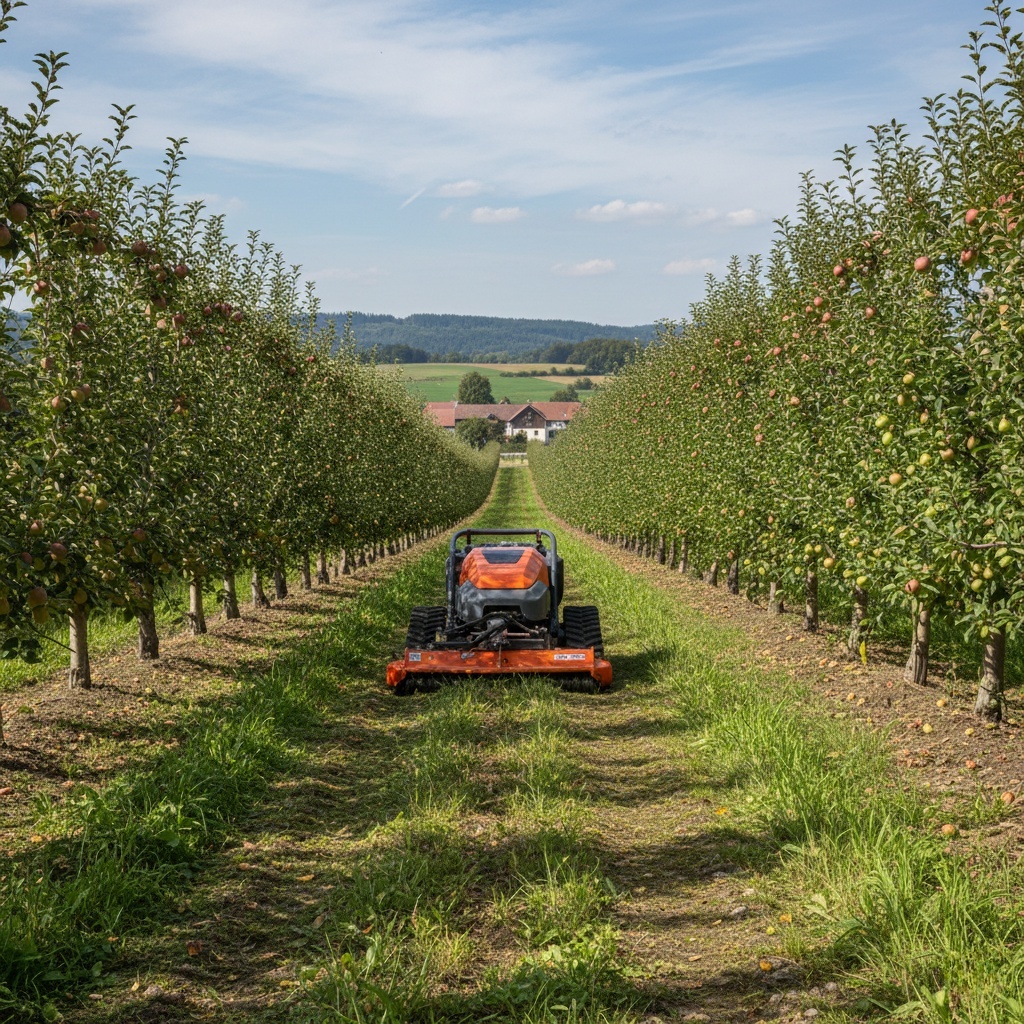
Useful for orchard rows, field edges, and farm maintenance routes where ground conditions vary and access may be tight.
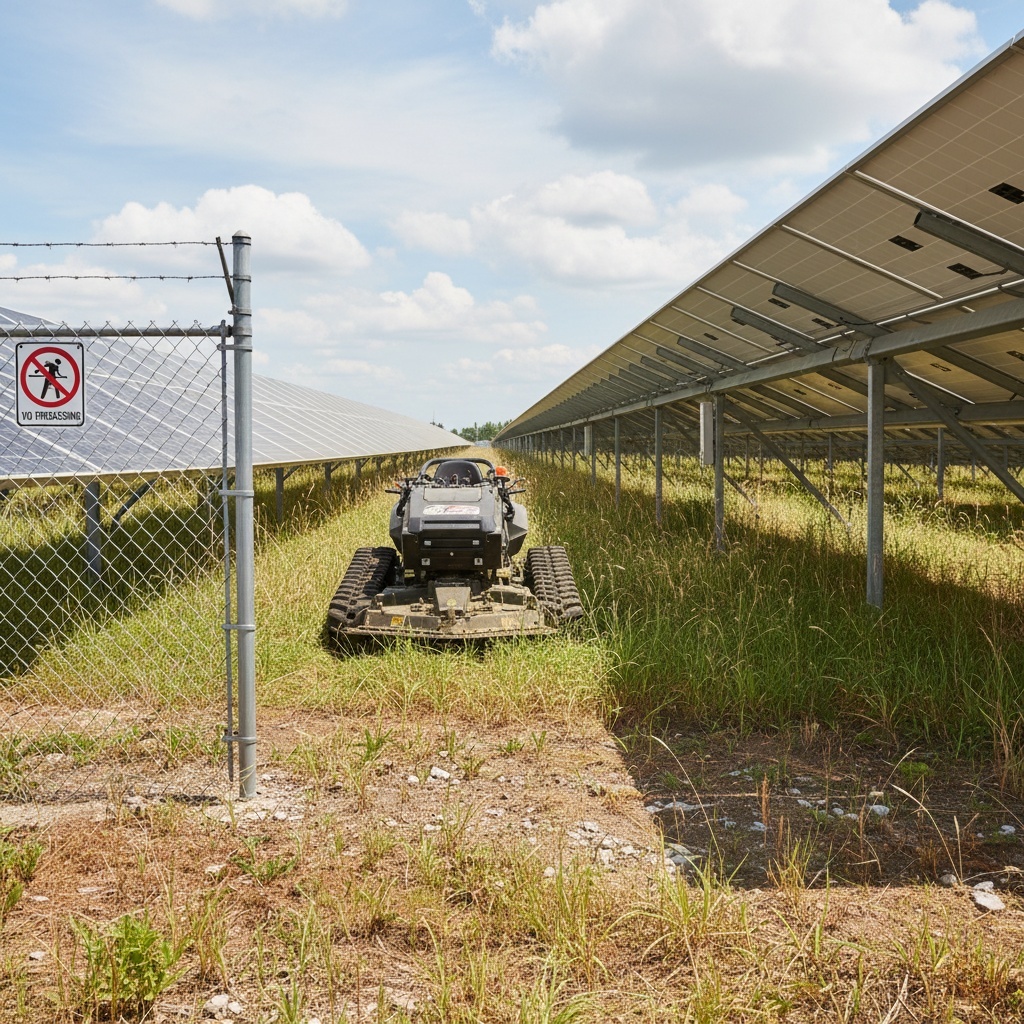
Suitable for long linear mowing zones and restricted-access areas where controlled operation and stability are important.
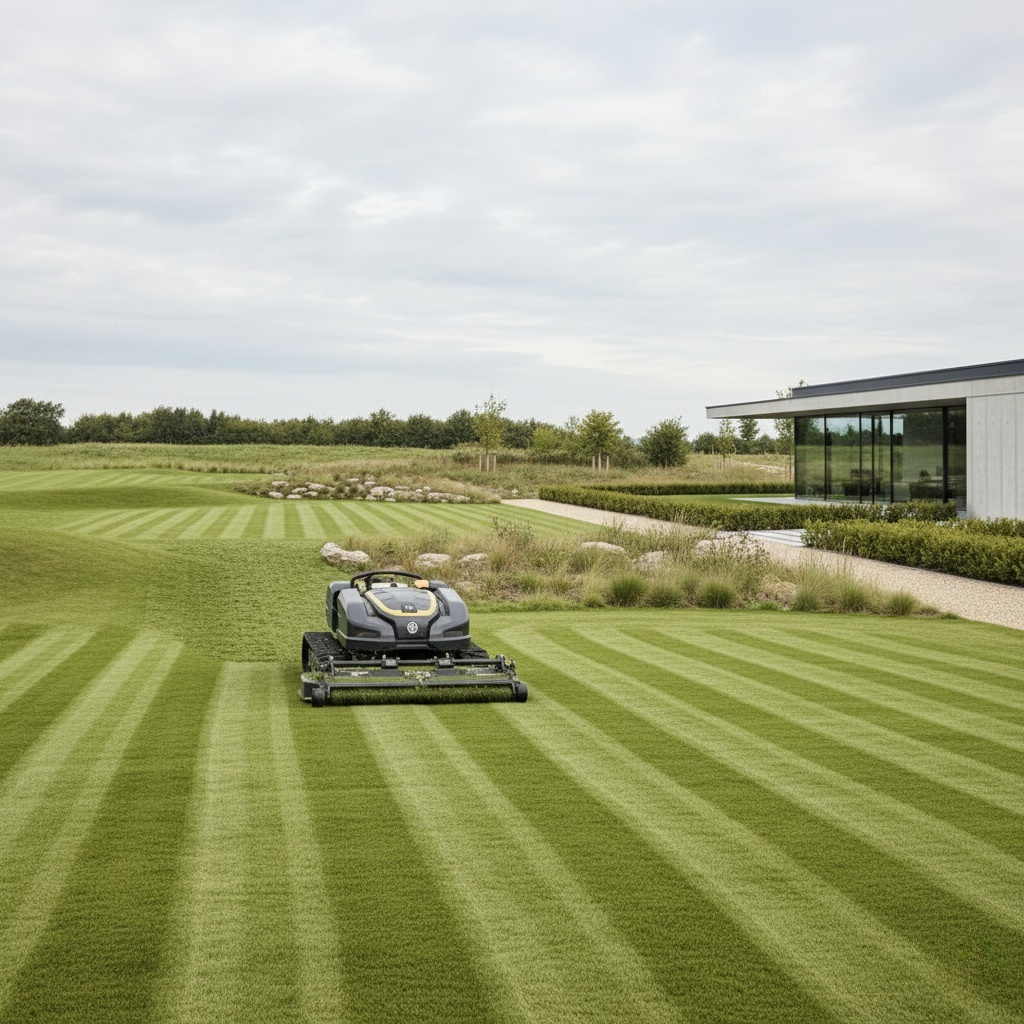
Ideal for mixed-terrain properties that require consistent mowing quality and safe operation throughout the season.
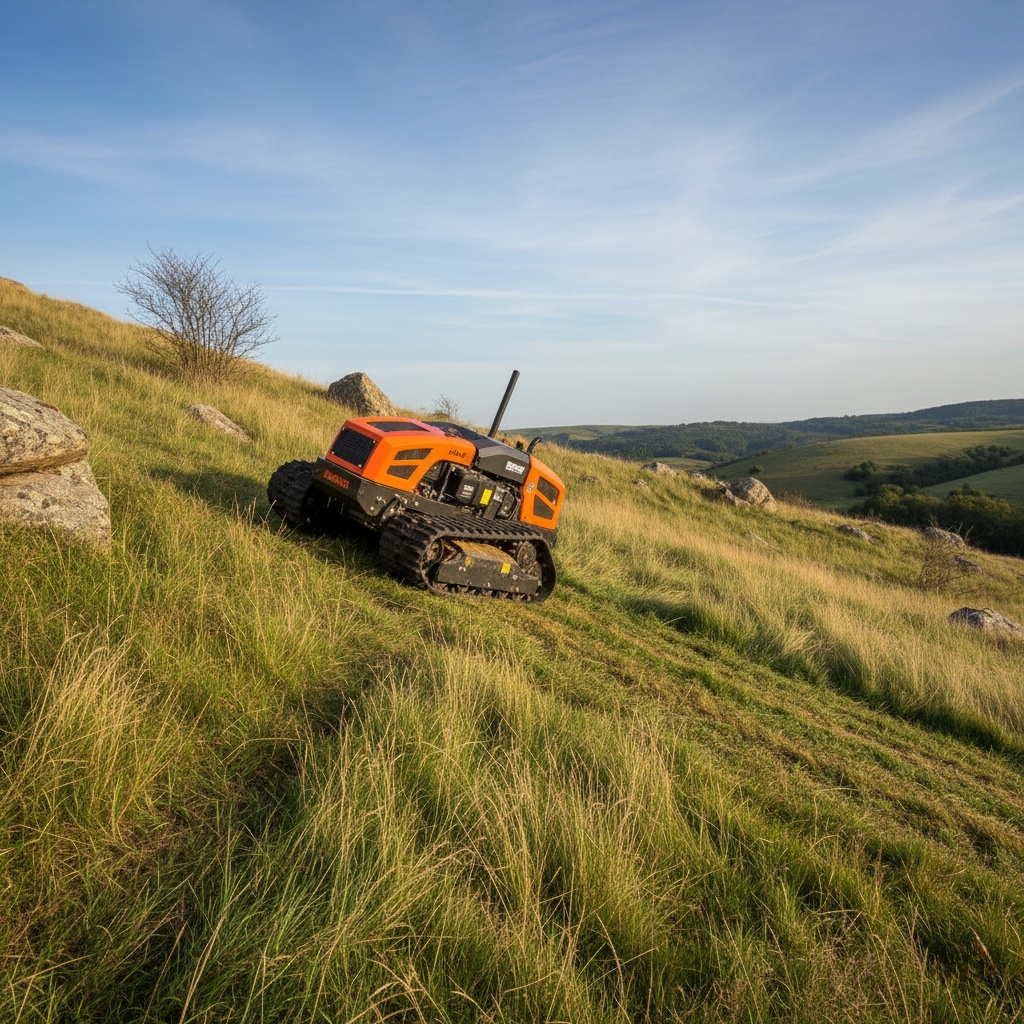

Receive a quick, personalized quote and start planning your equipment purchase with ease.